.jpeg?format=w480)

My Happy End
What if a dog's tail was more than just a part of his body that it can wag? What if its tail became his best friend? This cute short dares to ask that question and explains what happens when a dog succeeds in catching his own tail.
Guide children into the world of cinema and spark a love for film thanks to Cinemini, an initiative that lets the littlest ones discover the richness of film.
.jpeg?format=w1200)
Guide children into the world of cinema and spark a love for film thanks to Cinemini, a European initiative that lets the littlest ones (from ages three) playfully discover the cultural richness of film. And boy oh boy, the history of cinema is a city of gold!
In Twist & Turn! everything is moving. Nothing stands still. Marbles rock and roll in all directions, ink and lines dance in synchrony with the music and a dog moves on with his best friend … his own tail. Together we watch, listen, move and dance to five unique and funny films, carefully chosen from the Cinemini Europe film collection. You’ll be treated to the art of moving with contemporary and old films, one even older than a 100 years. One thing is guaranteed, this program will not leave you sitting motionless in your seat! How long can you resist the boogie?
What if a dog's tail was more than just a part of his body that it can wag? What if its tail became his best friend? This cute short dares to ask that question and explains what happens when a dog succeeds in catching his own tail.
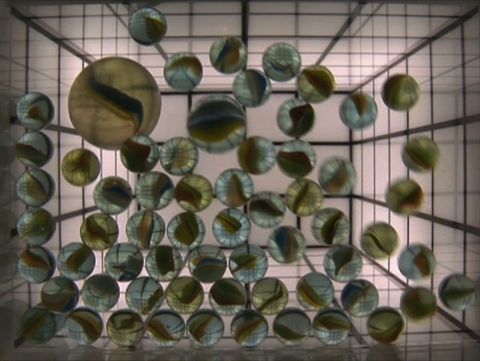
Playing with marbles is quite a bit of fun! But what about gravity? In this short by Luna Maurer and Roel Wouters, members of the Conditional Design collective, gravity plays a trick on us and makes marbles rock and roll through the room, jump over the floor and even stand on their heads.
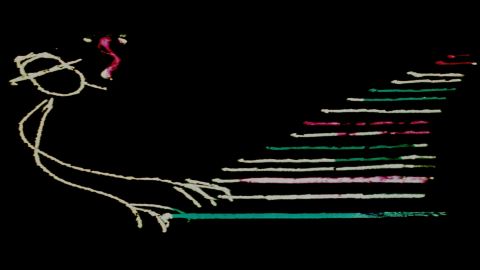
What would a film look like without a camera? Let's find out! This hand-painted animation invites us to swing along Jazz rhythms and to join the movement of colourful abstract and figurative images. Jazz lover and filmmaker Albert Pierru made this short without ever using a camera. He just painted and scratched directly onto the film-strip. Now, that's creative.
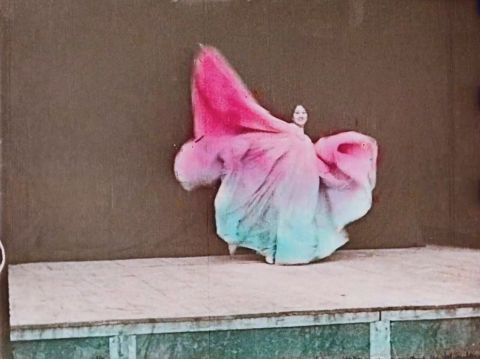
Is it a butterfly or is it a dancer? Dream away with one of the most iconic dancers of all time: Loïe Fuller. Smoothly shifting between different colours and shapes in this hand-coloured film from 1897, she moves like no one has moved before.
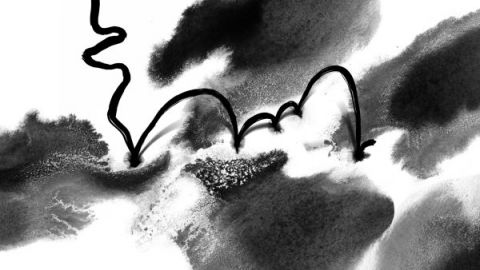
Have you ever drawn something just merely based on the music you listened to? Because that's exactly what graphic artist Maja Oschmann and animation filmmaker Thomas Stellmach did. In synchronism to the music, abstract ink drawings "grow" in the interplay of curiosity, timid encounters, dynamic pursuits and confrontation.
Kaboom Animation Festival is the one-stop-shop for the latest and greatest in all things animated. Ranging from cutting-edge experimental arthouse to colorful stories for families and kids, Kaboom will cater to the animation needs of all. Yes, even yours, my amazing weirdo friend!
© 2026. Website by Have a Byte!