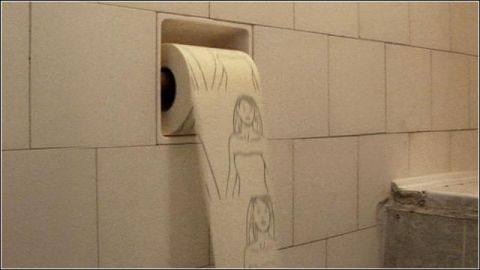
The short films in these two programmes explore in a variety of ways the magic and materiality of animation. To some extent, it might be said that all animation challenges our perception of reality. It makes us see our world anew, or deals in bizarre fantastical worlds; sometimes, it draws direct attention to the fact that what we are watching is a frame-by-frame construction. But there are some animated films that make this a more central part of their structure or the way they address their audience than others, by partly revealing what went into the ‘trick’ or encouraging us to think about the very processes and labour that put the images on the screen.
In viewing these films, it is the oscillation between credulity and incredulity that most interests me – the ways in which the animation is simultaneously held up as ‘magic’ and as a ‘technical process’. This means we as viewers are participants in a dialectic between enjoying the spectacle or trickery and admiring the ingenuity of the practitioner – one of the central tenets of any form of magic trick. In his book Performing Illusions (2008), film scholar Dan North talks about the development of special effects in the cinema, tracing them back to the magic theatre, and talks about a dialectic between ‘revelation and concealment’. This is what underpins the films in these programmes: the idea that it is more magical – indeed, some might argue it is only magical – when we are aware of someone behind the scenes, pulling the strings.
Paul Ward
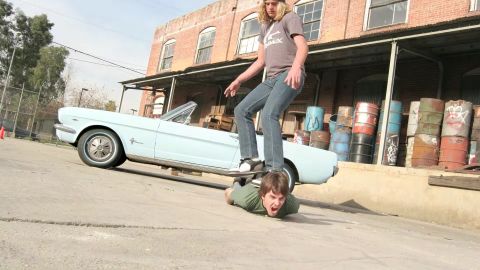
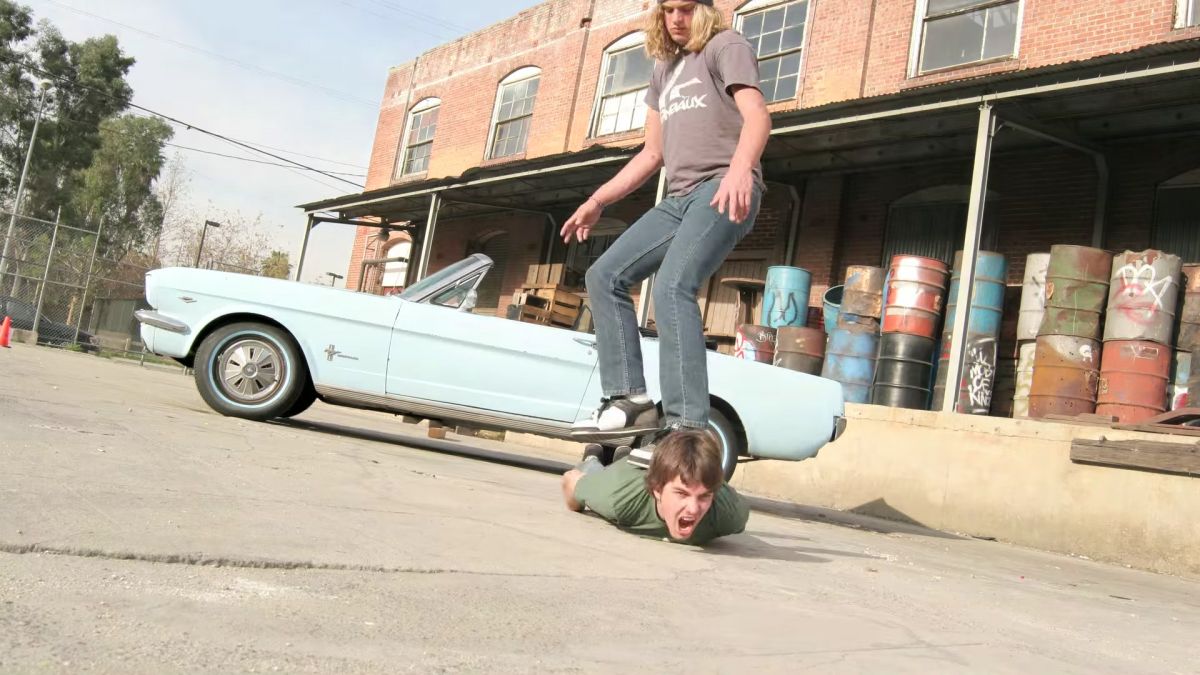
A truly humanistic act of skateboarding.
.jpg?format=w480)
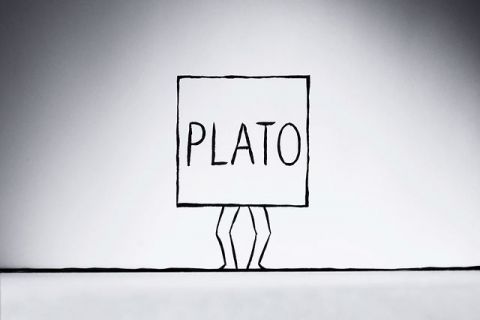
Lost battle of the animated character against its creator.

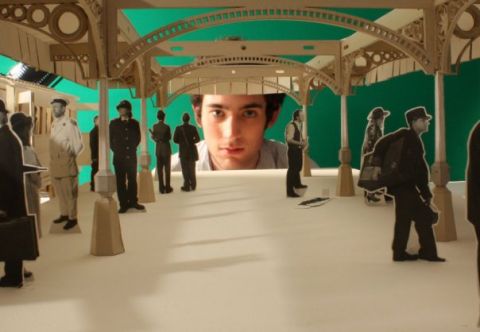
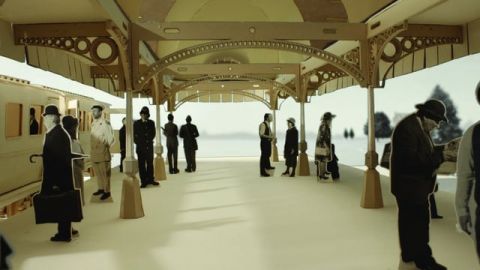
In a world made entirely out of paper, the wistful drawings in a man’s sketchbook are brought to life by the rhythm of a train journey.
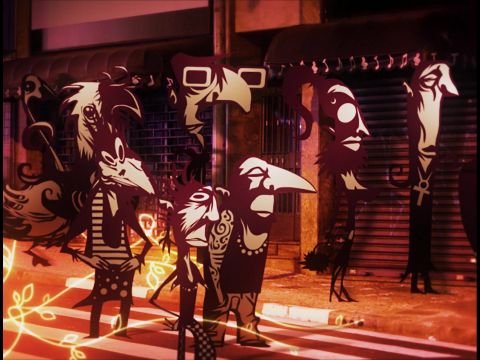
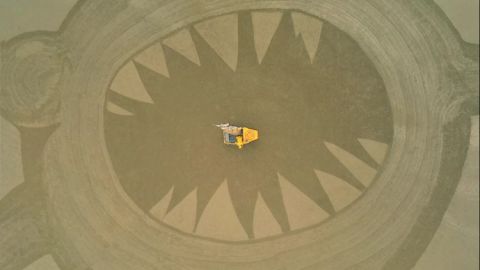
Inspired by William Blake's poem with the same name. A giant tyger mysteriously appears in a big city, revealing the hidden reality in an otherwise ordinary night.

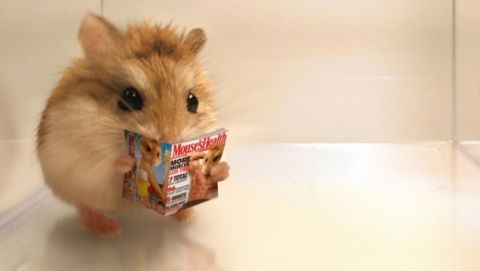
Mhhh... Spaghetti!
Kaboom Animation Festival is the one-stop-shop for the latest and greatest in all things animated. Ranging from cutting-edge experimental arthouse to colorful stories for families and kids, Kaboom will cater to the animation needs of all. Yes, even yours, my amazing weirdo friend!
© 2026. Website by Have a Byte!