Supernova: Being Queer Together

120 minutes

One of the hottest new locations on the map of independent cinemas is Supernova, a new and inclusive cinema space for artistic expression, diverse programming and creation through film and activism. We - at Kaboom - feel that our hearts beat in the same rhythm. So, that's why we decided to present a block of bold, powerful, sometimes painful, sometimes tender queer stories and screen them at Supernova. And as this year's theme is sharing stories and bringing communities back together, we are organising parallel screenings in Salaam Cinema in Azerbaijan, a community-based cinema and art temple. 

This program screened as part of Kaboom Animation Festival 2022

Showing in this program

1325 Kilometers 227 Days

1325 Kilometers 227 Days

  • Gustavo de Almeida / Vítor Teixeira
  • Brazil, 2021
  • 5 min.

Vítor and Gustavo decided in january 2020 to be in a long distance relationship. The idea was to meet again every few months. Until COVID stopped them. This is the story of how they overcame the distance and the time through so much love and, mainly, Whatsapp voice messages.

Compositions For Understanding Relationships

Compositions For Understanding Relationships

  • David Delafuente
  • United States, 2021
  • 5 min.

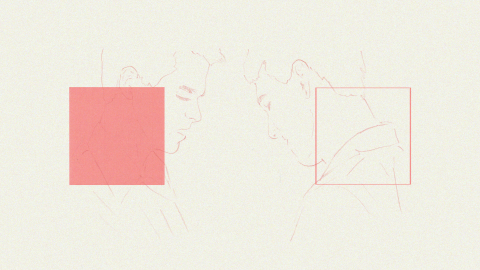
"A Love Letter"

Eyes and Horns

Eyes and Horns

  • Chaerin Im
  • Germany / South Korea / United States, 2021
  • 6 min.

Exploration of masculinity begins with the Minotaur, a mythical creature Picasso used to portray himself in his etching print series. The Minotaur goes through a violent struggle between being male and female. Finally, lines blur and boundaries of sexes disappear.

KLIMAX

KLIMAX

  • Bea Hoeller
  • Germany, 2021
  • 2 min.

In KLIMAX, we explore the inner world of female lust, in order to redefine images of the female sex, already negatively connoted, and thus create new aesthetic associations of femininity. Our main protagonist, Barbie, goes through a process of transformation. She emerges like Alice in Wonderland into a magical world, a place of temptation and joy. It is a fantastic place that makes her change little by little to get rid of her stiffness and repression. Klimax is supposed to show how unique and beautiful every single woman's body is.

La Meute

La Meute

  • Louise Cottin-Euziol / Lou-Anne Abdou / Antoine Blossier Gacic / Charline Hedreville / Agathe Moulin / Victoria Normand / Gabriel Saint-Frison
  • France, 2021
  • 6 min.

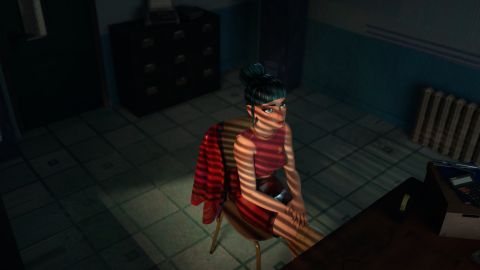
After a harrassing day, Marion, a young woman in her twenties, recounts her story to a policeman, hoping to be unterstood. For her, the responsible one is part of the hounds. For him, she is the one responsible.

Marvin Gaye – What’s Going On

Marvin Gaye – What’s Going On

  • Tim Fox
  • United Kingdom, 2021
  • 3 min.

This animation re-imagines Marvin Gaye's iconic track What's Going On by following him through scenes of civil unrest, the Vietnam War, poverty, and environmental damage.

No Title

No Title

  • Alexandra Myotte
  • Canada, 2021
  • 8 min.

Through the memories of a small-town journalist, we discover Louisiane Gervais, blind sculptor and iconoclast. Their meeting sets off a chain reaction over which they quickly lose control. The animated short "No Title" explores the ambiguous relationship that exists between the artist, their work and their audience.

Pore

Pore

  • Clémence Rogge
  • Belgium, 2021
  • 5 min.

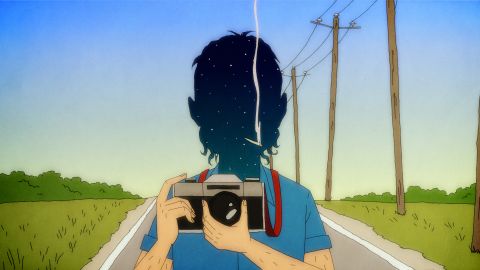
Yann and Laïla are coming homedrunk from a party, when Laïla suddenly freezes when Yann tries to take a picture of her.

Re-Animal

Re-Animal

  • Ruben Garcera
  • Spain, 2021
  • 13 min.

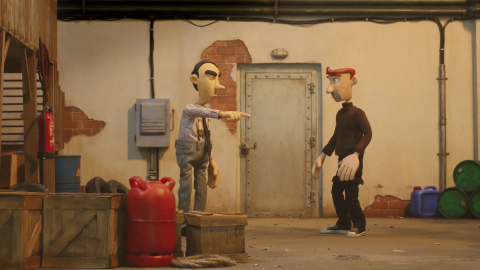
References to Psycho, Seven,
Detective a la Poirot
Reminiscent of Aardman productions
Unmistakable message on meat industry/consumption
Hilarious spoof on the detective mystery genre
when the prey becomes the hunter

You Must Have Come From Hell

You Must Have Come From Hell

  • Hayfaa Chalabi
  • Sweden, 2021
  • 5 min.

In her short film, Chalabi tells about the roles that refugees are forced into in Sweden. She explores the impact of structural apathy towards refugees in migration offices, socio-political discourse, and private spaces. The work becomes a place for memory and history writing where Chalabi tries to understand how to document a process that is prohibited to be documented.