Follow the Leader: Pioneering Dutch TV Titles & Idents

100 minutes
Follow the Leader: Pioneering Dutch TV Titles & Idents

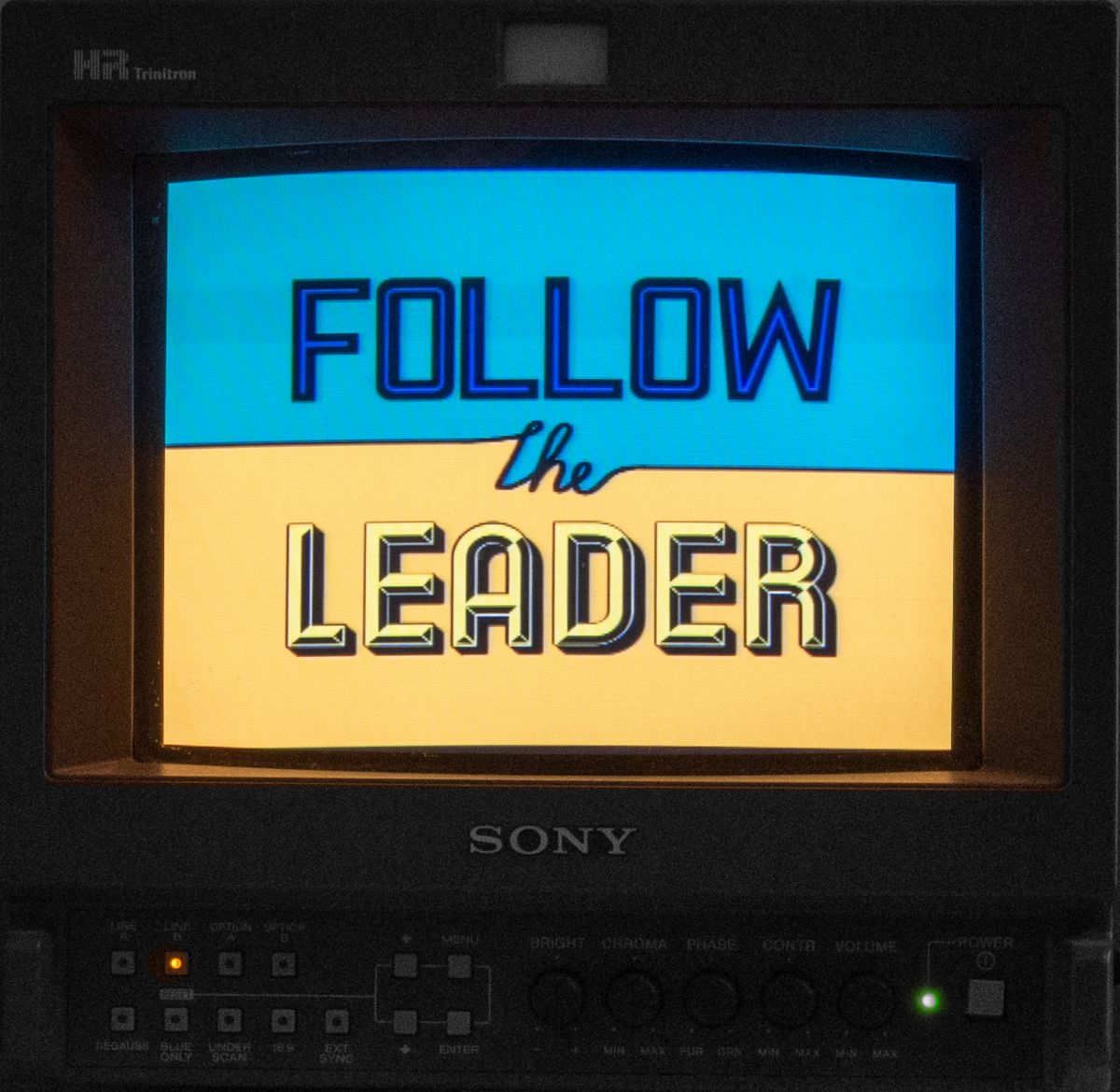
Film collector and curator Roloff de Jeu has tapped into the national audiovisual archive of Beeld & Geluid, researching the early craftsmanship of animation for Dutch television, focussing on the artwork done to announce programmes and broadcasters with their titles and station calls. After seeing hours and hours of Seventies and Eighties TV shows, he has compiled those sequences that have mesmerized and inspired him to recreate some of the animation and compositing techniques used. With help from Mathijs Stegink these methods will be simulated live using analog video cameras and mixers along with input from the audience and of course some magic DIY smoke & mirrors. Leaders that were filmed on 16mm will be shown digitally in a never seen before restored quality, others from an analog broadcast mastertape created for this show - as close to the originals as possible.

This program screened as part of Kaboom Animation Festival 2026

Showing in this program

TROS Sport

TROS Sport

  • The Netherlands, 1973

High contrast photo-based prints combined with paper cut-outs create this fast paced replacement animation split screen sequence with some inventive fitting logo animation at the end. Other TROS Station IDs and bumpers from this year used similar cut-out splitscreen techniques.

Lucifers

Lucifers

  • Kal Beerends
  • The Netherlands, 1974

Very playful and inventive leaders and bumpers were created for a documentary about match sticks ("Lucifers") using a mix of live action recording (sometimes played back in reverse), clever dissolves and stop-motion animation.

Sportpanorama

Sportpanorama

  • Johan Volkerijk
  • The Netherlands, 1969

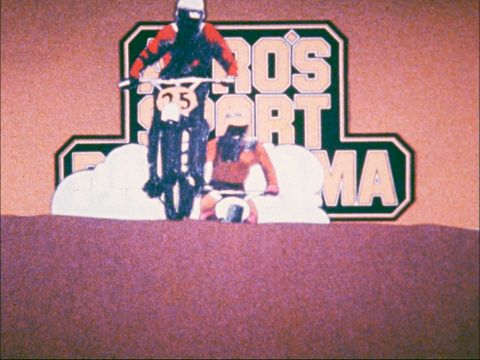
Silk screen printing and rostrum camera moves along with film printing techniques are the ingredients for this simple yet elegant AVRO sports programme leader.

Sterren Kijken

Sterren Kijken

  • Unknown
  • The Netherlands, 1974

In all its honest plainness, this leader combines what appear to be cut-out, paint and screen printing techniques with exact plotted movements on the rostrum camera tabletop combined with multiple exposures of the film. Looks can be deceiving, this is a piece of painstaking, nerve-wracking, patience-defying art.

AVRO Weekend Film

AVRO Weekend Film

  • Frans Lasès
  • The Netherlands, 1974

Leader in three sections using cut-out animation to reveal the program's title.

Meten met één Maat (Les 8)

Meten met één Maat (Les 8)

  • Unknown
  • The Netherlands, 1979

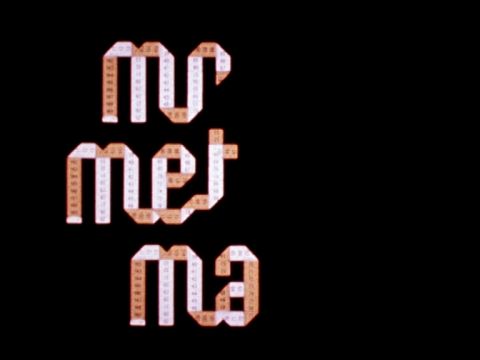
Another very basic animated leader for a TV course on math & measurements. Taking a closer look shows this origami style measuring tape written title sequence was animated very precisely with great care.

NOS Leader (1978-1980)

NOS Leader (1978-1980)

  • Johan Volkerijk
  • The Netherlands, 1978

The NOS logo (Nederlandse Omroep Stichting, a Dutch broadcaster responsable for the news, sports and big events) was designed by Johan Volkerijk and in use for 36 years. A mesmerizing Station Call with a fitting electronic soundtrack that makes one think "how did they animate this?"

Kort Geding

Kort Geding

  • Arie Teunissen
  • The Netherlands, 1971

Simple yet very effective, this 3D title extraction animated in 2D in what seems to be a cut-out technique. It makes one think "how did they animate this?". Bumpers with dates in the short running TV programme used the same typography but where not animated.

TopPop: De Nationale Hitparade (Season 5, 1974-1975)

TopPop: De Nationale Hitparade (Season 5, 1974-1975)

  • Hans van der Jagt
  • The Netherlands, 1974

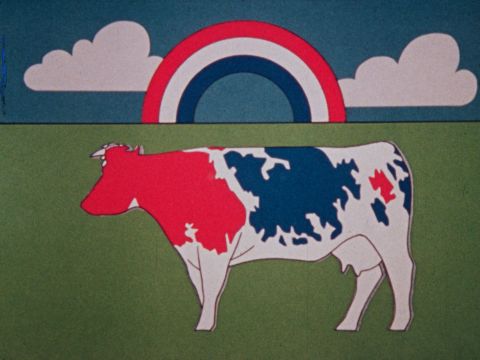
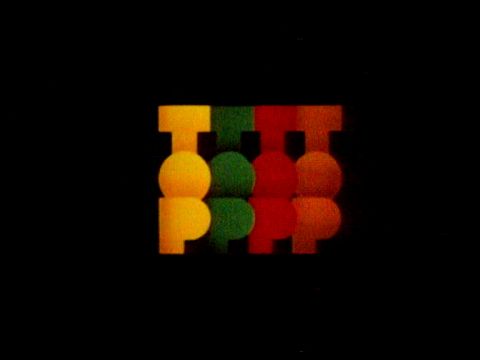
In this season's animated leader intricate cut-out techniques were used to create split screen effects and a three-dimensional rotating cow, not to mention the sync talking red hot lips!

Sportpanorama – Doelpunt van de Maand

Sportpanorama – Doelpunt van de Maand

  • Johan Volkerijk
  • The Netherlands, 1974

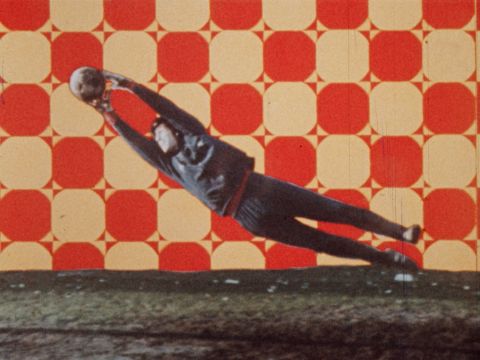
Painstaking rotoscoped mattes isolate the goalkeeper to set him against a playful graphic background. Bumpers reveal the number of the "Goal of the Month".

Sportpanorama

Sportpanorama

  • Johan Volkerijk
  • The Netherlands, 1977

Pencils, watercolor, paint and paper cut-outs are used to rotoscope clips from sportgames in a loose yet effective manner. If you pay close attention you may recognise famous sport players from the Seventies!

TROS Leaders (1977)

TROS Leaders (1977)

  • André Olgers
  • The Netherlands, 1977

Some examples of many leaders and bumpers created in this very neat, graphic style painted animation based on photos taken by the producer, involving intricate camera movements and painted simulated matte wipe transitions.

AVRO’s Teletips

AVRO’s Teletips

  • Unknown
  • The Netherlands, 1980

Rotoscoped and silhouetted feet wearing different footwear are the stars in this leader for a home & gardening DIY programme.

Afgekeurde TROS Leaders

Afgekeurde TROS Leaders

  • Rob van den Berg
  • United Kingdom, 1981

The always stunning slit-scan animation (motion control) technique known from famous Title Sequences like 2001, SUPERMAN, STAR TREK, "Dr. Who" and others was used here to create transitions between a Lion and the TROS logo as an Ident of Station Call. Many combinations were created and broadcast, this one however never made it to the Master Control Room as it was labeled "Rejected"!

Vandaag of Morgen

Vandaag of Morgen

  • Unknown
  • The Netherlands, 1969

An early animated leader in the lineup of Dutch TV title sequences, and a very inventive one for this programme that looks into the future, covering topics ranging from healthcare to space travel. With color broadcast having just commenced and the majority of programs still produced in B&W, the double exposure technique was effective enough to create these superimposed titles.

Diverse Materialen tot het Vervaardigen van een Leader

Diverse Materialen tot het Vervaardigen van een Leader

  • Unknown
  • The Netherlands, 1979

A unique look into some of the original footage filmed on a miniature stage and outdoor in Paris and Amsterdam plus the final result where these shots are composited into the station call outro that would conclude an evening of TROS (Televisie & Radio Omroep Stichting) programming.

Panoramiek

Panoramiek

  • Unknown
  • The Netherlands, 1980

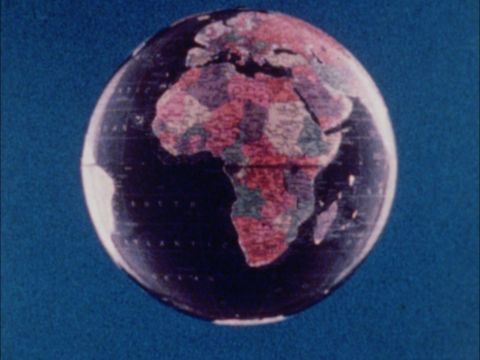
A spinning globe and contra-spinning superimposed titles with a zoom synced to the tune are all that's needed to create this effective leader.

TopPop (Season 2&3, 1972-1973)

TopPop (Season 2&3, 1972-1973)

  • Frans Schupp
  • The Netherlands, 1973

From the start of the first season the director and designers for TopPop used mixed media combining film and video compositing techniques and animation with intricate set designs and scale models to create unique registrations of performances (early music videos). This leader shows a combination of bluescreen and miniatures in a multi-layered videomixed extravaganza that was used often in the show

TopPop – De Nationale Hitparade (Season 7, 1976-1977)

TopPop – De Nationale Hitparade (Season 7, 1976-1977)

  • Unknown
  • The Netherlands, 1976

In this leader 2D cell animation is combined with blue(screen) to be keyed in with clips from previous seasons of the show.

TopPop (Season 16, 1985-1986)

TopPop (Season 16, 1985-1986)

  • Holland Visions
  • The Netherlands, 1985

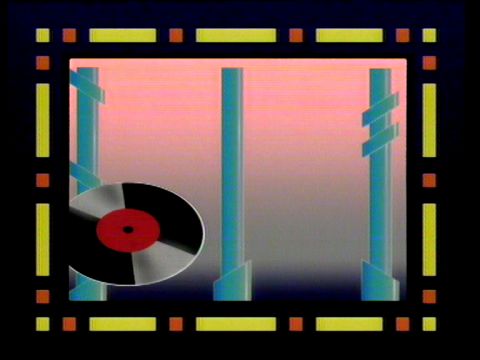
This leader uses computer (aided) animation techniques in combination with hand painted artwork to create a new fresh modern look for the show. The computer animation technique used (with machines like the ADO, Bosch, Cubicomp, Antics, Scanimate or Quantel Paintbox) marks a new era and the end of analog animated leaders recorded onto 16mm film.

Horizon

Horizon

  • Unknown
  • The Netherlands, 1980

Fake it 'til you make it: when computer animation was still in it's infancy and was totally unaffordable for the animators creating leaders for Dutch TV, one could at least make it look like it came out of a computer - and perhaps computer drawings aided the analog hand-crafted animation of this leader.

Sesamstraat (1981)

Sesamstraat (1981)

  • Unknown
  • The Netherlands, 1981

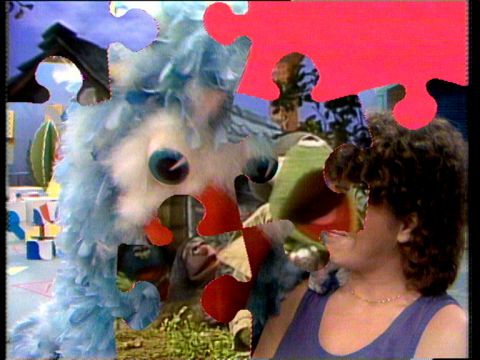
This intro and outro uses animated mattes to key in multiple video channels which must have been quite a puzzle to the makers. The outro also has a very special cameo.