
House
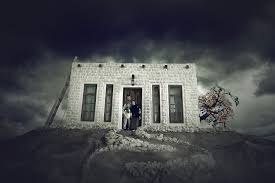
For generations, a family lived in a spacious, beautiful and generous house. The generosity of the house had become part of their life. Guests were always welcome to enjoy a pleasant stay. Until one guest arrived with a different plan in mind.
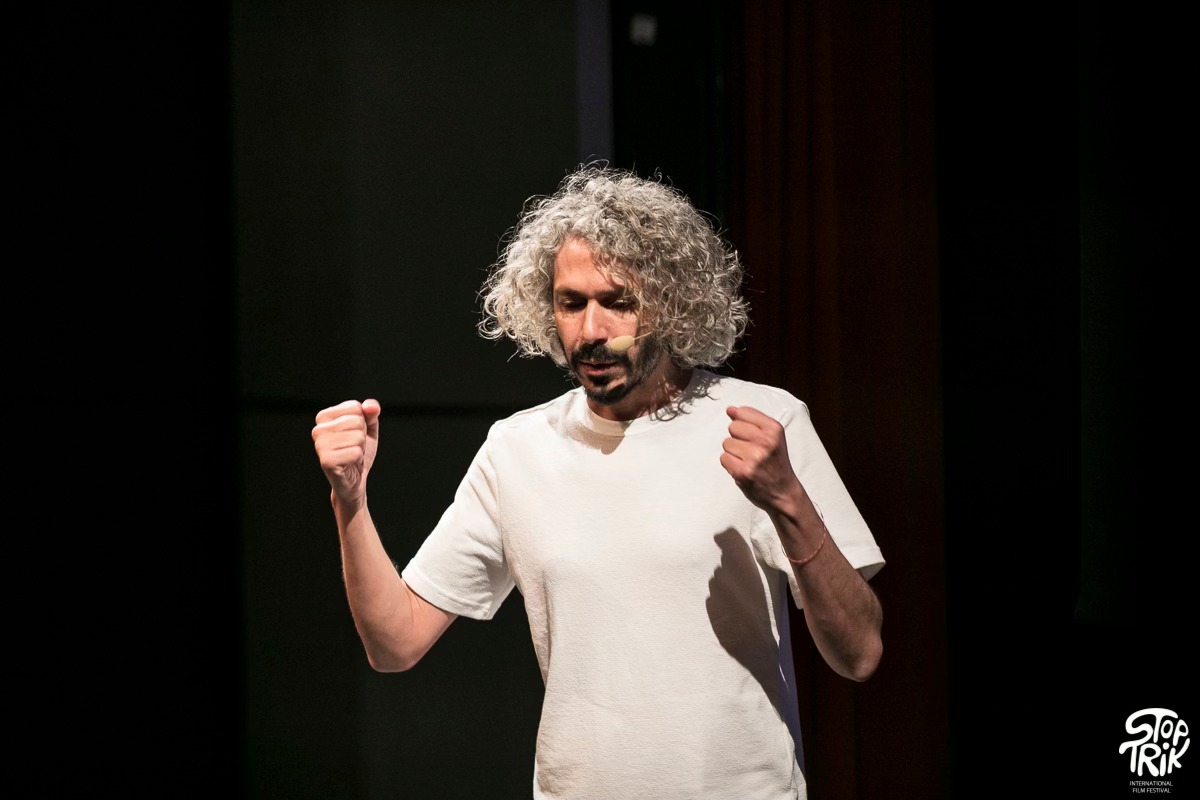
I was born in Saudia Arabia to a family of Palestinian origin. During my childhood in the 1980s, the first intifada (a nationwide uprising) began. Concerned about their families back home, my parents couldn't stop watching the news. My childhood was marked by a contrast: a peaceful life with one small window looking at Palestine through the TV screen. As the situation worsened, the window into Palestine grew larger and larger until it felt as if we were living there daily.
I grew up believing I knew everything about Palestine and the Palestinian struggle, but it wasn't until I moved back there to study for my bachelor's degree in the late 1990s that I realized how little I truly understood. A few months after I moved, the second intifada began, and the whole country turned into a war zone. Suddenly, I found myself inside the TV box I had watched during my childhood. Being in the midst of the events and experiencing the stories firsthand alongside the people on a daily basis, I soon realized I knew nothing about the people there. Having that dual perspective as both an outsider and an insider was overwhelming, and I found writing a daily diary to be a necessary coping mechanism.
Years after leaving Palestine, I realized that some of these stories remained unresolved. Recognizing the disconnect between the outside view and the reality of life in a conflict zone, I felt compelled to revisit these stories and present them in a way that would reveal the hidden layers of what it truly means to live in such an environment, particularly over extended periods.
In this performance, I stand before the audience and narrate true stories from my journey - from outside Palestine to inside, and back out again. The films serve as chapters in this narrative, complementing my live narration. Throughout the performance, I intermittently dim the lights to allow the films to speak for themselves, before resuming the live narration.
The first part of the performance explores my initial desire to become a local in the place I belong to, only to realize my outsider status amidst the conflict. This realization inspired my first film, HOUSE. Following the screening of the film, I guide the audience through various stories and events until reaching the moment I encountered the two boys in my second film, AYNY.
After presenting the magical realism version of their story, I dive into the details of the real event, translating the symbols in the film to their real root. This provides the audience with a close-up view of the story, akin to being present themselves rather than merely observing through the lenses of the news.
Continuing with other narratives, I eventually introduce the real mother for whom I wrote my third film, NIGHT. I briefly narrate her story before screening the film, then return to the real-life events. Finally, I conclude the performance by reflecting on the lingering thoughts and questions that have arisen from these experiences.
For generations, a family lived in a spacious, beautiful and generous house. The generosity of the house had become part of their life. Guests were always welcome to enjoy a pleasant stay. Until one guest arrived with a different plan in mind.
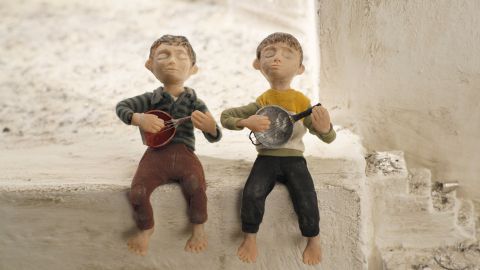
A cruel war has taken two brothers’ home. Their mother fosters the seed of a new life and tries to shield them from danger. Despite her worries, the boys keep chasing their childhood dream to play music with an instrument they have fallen in love with - a beautiful oud.
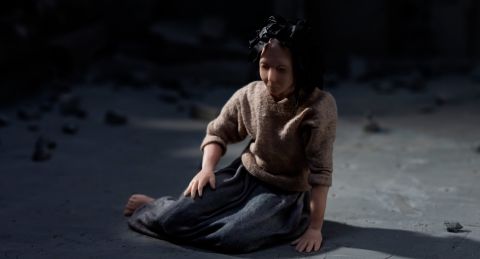
The dust of war keeps the eyes sleepless. Night brings peace and sleep to all the people in the broken town. Only the eyes of the mother of the missing child stay resilient. Night has to trick her into sleeping to save her soul.
Kaboom Animation Festival is the one-stop-shop for the latest and greatest in all things animated. Ranging from cutting-edge experimental arthouse to colorful stories for families and kids, Kaboom will cater to the animation needs of all. Yes, even yours, my amazing weirdo friend!
© 2026. Website by Have a Byte!